It’s June 6th, a warm and windy afternoon at Sunset State beach. Guarded to the east by rows of coastal strawberry fields, the sand stretches out across Santa Cruz County before disappearing into mist below Moss Landing’s sleepy power plant spires to the south. Año Nuevo Island crouches at the northern horizon.
The California current, tides, and timing elected this place as the final stop for a humpback whale carcass. Waves slither around the slick figure, causing the gulls perched on it to jump. Its body is black with an underside speckled white, like a Jackson Pollock painting. Algae clings to tubercules at its chin.
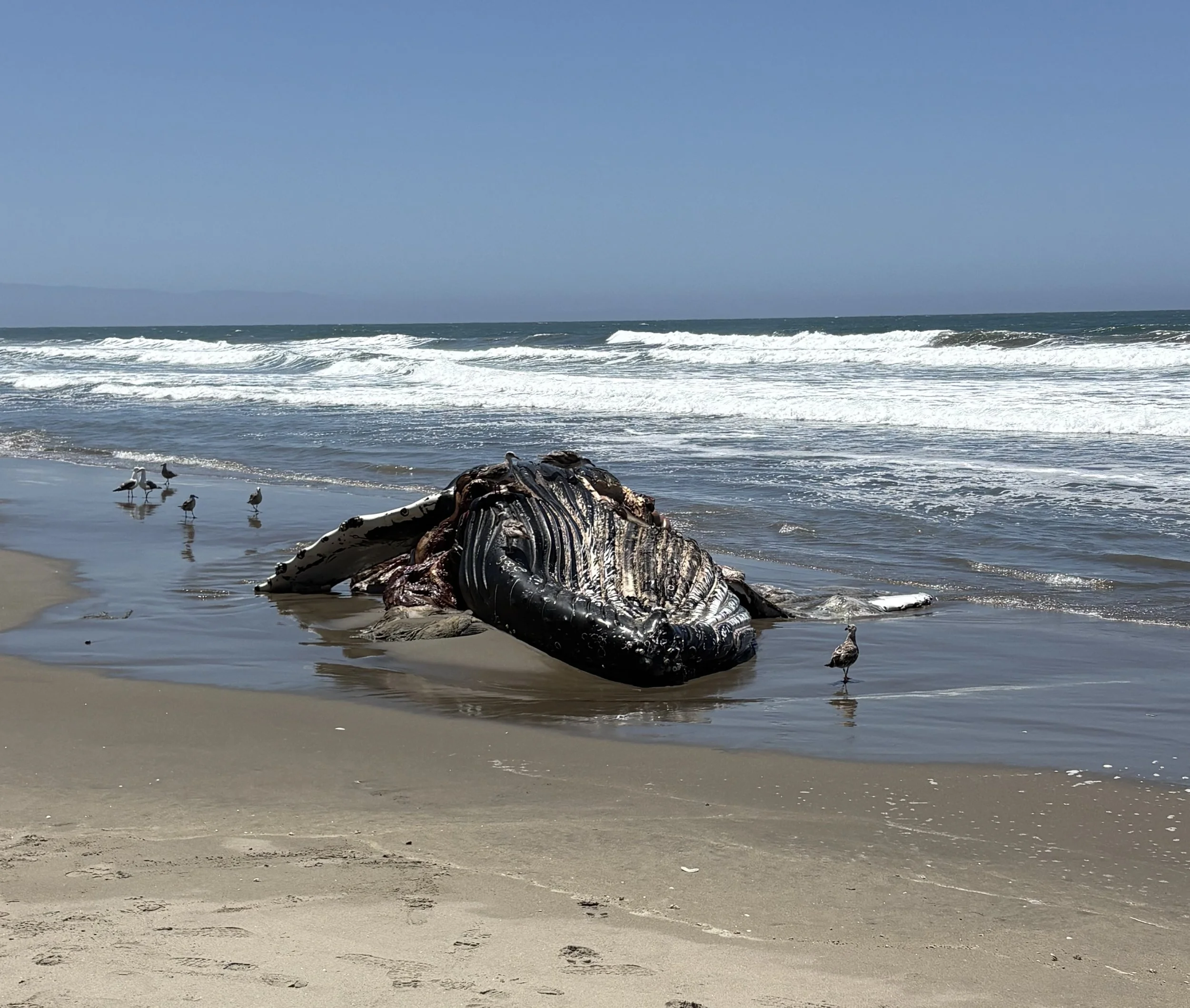
Photo Credit: Keiki Sunderland
Hours earlier, a team of researchers from local universities and institutions necropsied the carcass. Fleshy openings and square-shaped wings of blubber and skin mark the traces they left from their sample collection process. Their work is urgent; another whale washed up less than ten miles south, two days earlier.
After analyzing the samples collected from both carcasses, the researchers announced their findings in briefs to the public. They had encountered the same toxin in both whales, in concentrations likely to have impaired one and nearly certain to have killed another. High concentrations of domoic acid had recently passed through San Francisco and Monterey Bays, and the carcasses carried receipts.
Decoding Domoic Acid: What is it, and how does it affect marine life?
Domoic acid is a chemical cocktail that mimics the effect of the brain’s naturally occurring neurotransmitters. When ingested, it binds to nerve receptors like those concentrated in the brain’s hippocampus, triggering the release of positively charged ions into nerve cells. This overwhelming influx of charged particles causes the cell to swell and die. This process flows from one exposed cell to another via a cascade of activation, where neurons fire off signals like machine guns with stuck triggers.
Symptoms of domoic acid’s neurotoxic effects appear in a host of predators with seafood diets, including seabirds, marine mammals, and humans. Known as amnesic shellfish poisoning in humans, around 0.66 milligrams of domoic acid per kilogram of a person’s body weight can induce symptoms like headaches, fatigue, and intestinal discomfort. Higher concentrations of the neurotoxin induce memory loss, confusion, hallucinations, seizures, brain lesions, coma, and death. The illness runs its course on varying time scales between species, staying in the body from hours to weeks before leaving the body in urine.
Scientists hold a group of marine algae from the Pseudo-nitzschia genus responsible for producing this poisonous neurotoxin. As smaller predators like krill or filter-feeding shellfish feed on the algae, they consume traces of domoic acid. The toxin gathers as it trickles up the food chain until it ends up in the belly of a whale, or on a dinner plate at a seafood restaurant.
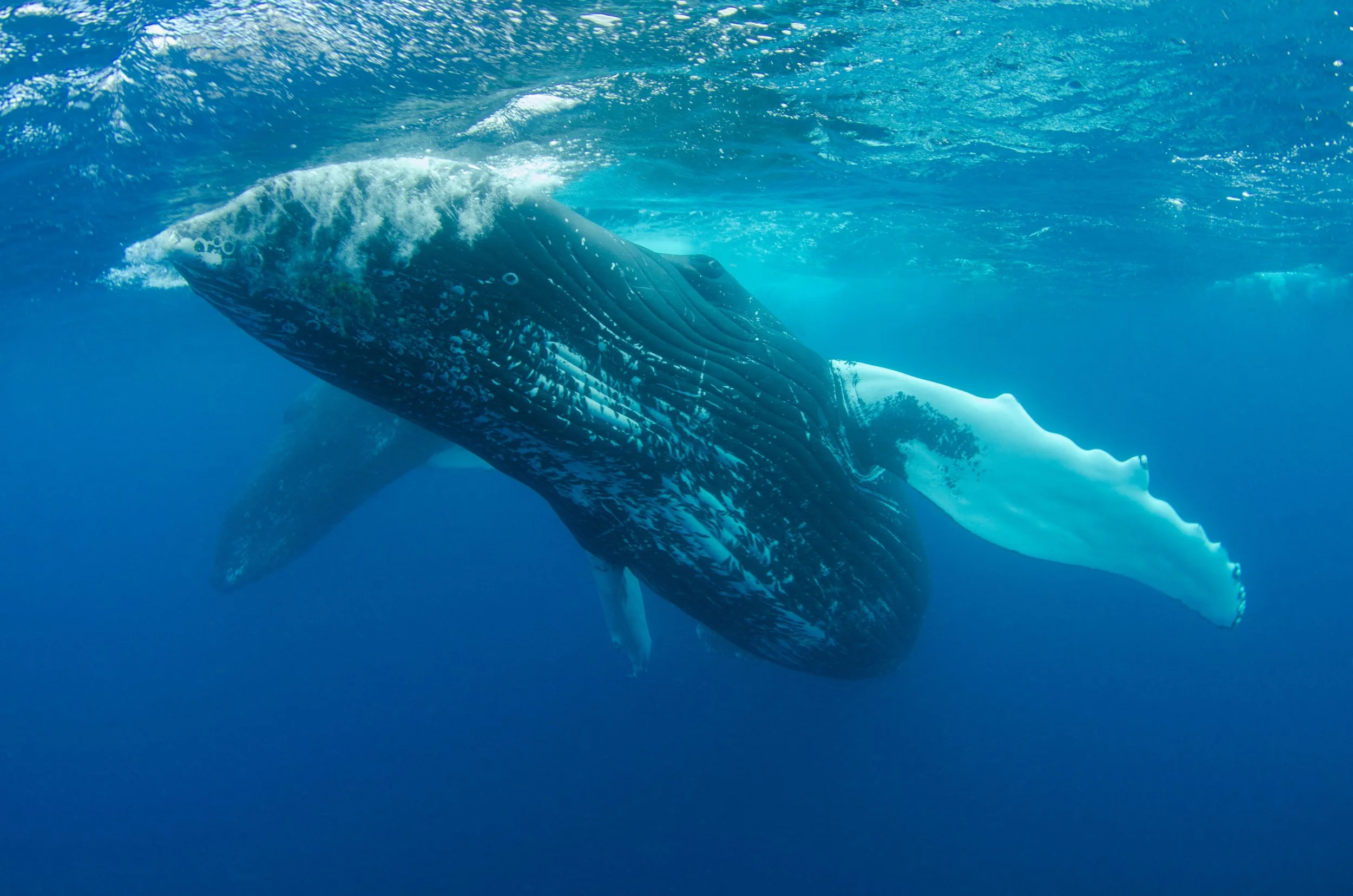
Photo credit: Ben Philips
When is Domoic Acid Poisoning Most Common?
While predation and sparse resources normally limit Pseudo-nitzschia’s numbers, combinations of ideal environmental conditions open the door for both harmful and benign algal species to thrive. Increases in wind speed, sunlight exposure, and nutrient input can aggravate domoic acid concentrations in seawater and cause what is known as a harmful algal bloom. These blooms instigate most reports of domoic acid poisoning.
This was likely the case in February of 2025, when scientists suspect nutrient-rich ash from the Palisades fire in Los Angeles may have fed a massive bloom, causing hundreds of sea lions and dolphins to strand with symptoms. The impacts of these blooms are severe; over the last 20 years, 40% of unusual mortality events across the United States have been attributed to harmful algal blooms.
Climate change exacerbates the issue. Warming seas and severe weather can stir more nutrients in the water column, aggravating the frequency and intensity of blooms. Over the last 30 years, harmful algal blooms occurred once or twice within a decade; in Southern California, harmful blooms have been documented impacting wildlife for the past four years straight.
As Pseudo-nitzschia blooms become more common and severe, populations of species most susceptible to domoic acid toxicosis may not be able to recover. Fisheries on the West Coast have already been forced to reduce seasonal operations during recent blooms, as in 2015 when the industry lost about $48.3 million for delaying the catch of Dungeness crab. More frequent blooms may soon permanently limit the availability of high-demand catches in consumer markets and subsistence fisheries.
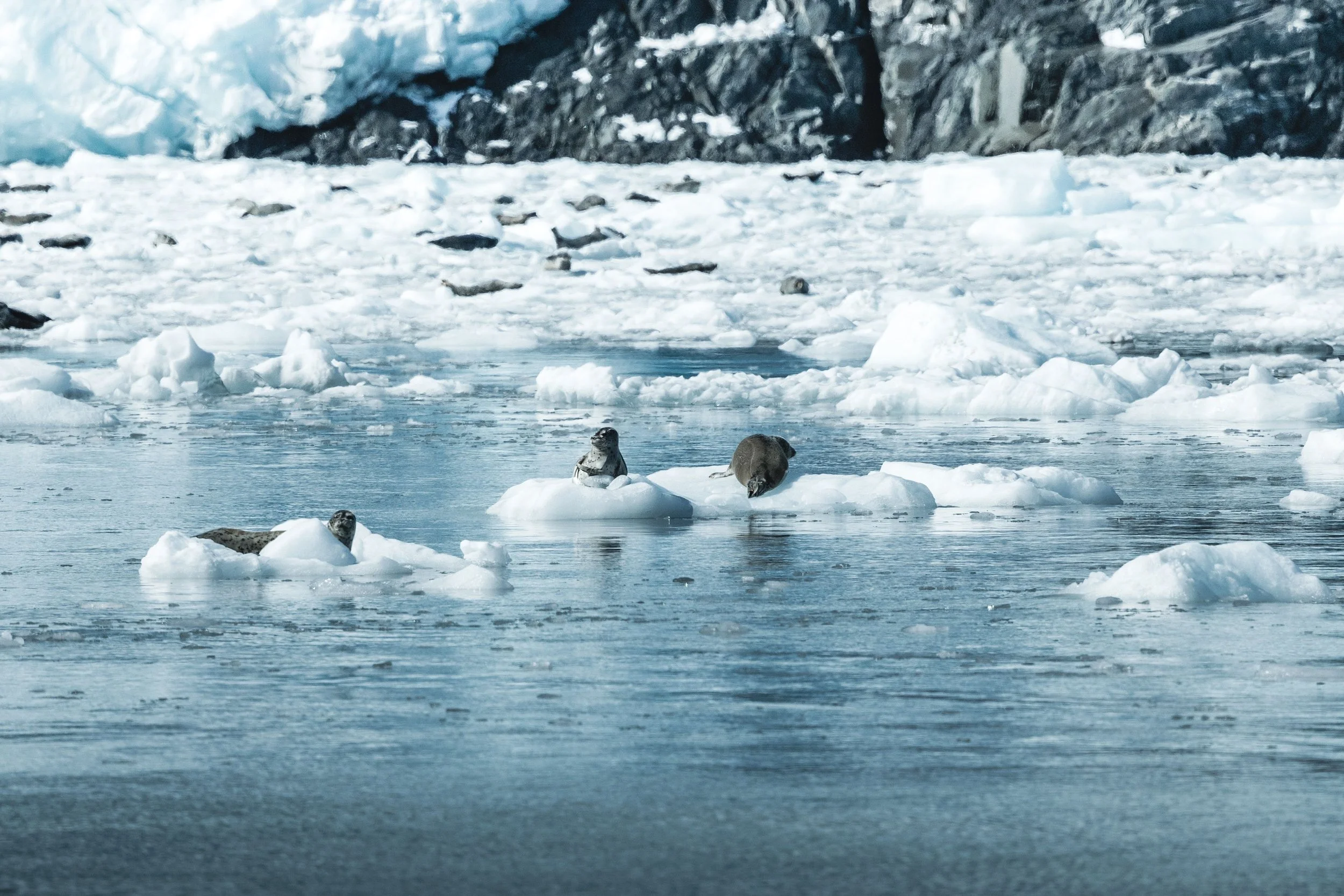
Photo Credit: Tomas Malik
Creeping Frontlines and Exposure in the Arctic
Melting sea ice and warming seas have also extended the northern range of Pseudo-nitzschia’s suitable habitat. A collaborative effort from researchers at the National Oceanic and Atmospheric Administration (NOAA), Alaska Department of Fish and Game, and other institutions uncovered concentrations of domoic acid in samples from 13 species of stranded or harvested Alaskan marine mammals. Of the 905 animals tested, the species most exposed to the toxin included bowhead whales, harbor seals, walruses, harbor porpoises, and humpback whales. Concentrations of domoic acid found in the sampled whales, bearded seals, spotted seals, walruses, and otters tested near those found in symptomatic California sea lions, suggesting environmental domoic acid may already impact the health of arctic mammals.
While the north’s resident ice seals may accumulate environmental domoic acid throughout the year, Alaska’s migratory visitors’ unique life histories put them on a crash course toward illness. Humpback whales migrate north to productive waters after wintering in the tropics to breed. Their timing coincides with annual phytoplankton spikes, allowing them to spend the year’s warmest months reaping swathes of fish, krill, and small invertebrates in plentiful waters fueled by algal blooms. This strategic behavior may soon become a roll of the dice; if the whales arrival coincides with a Pseudo-nitzschia bloom, they could find themselves swimming into a poisoned feast.
If domoic acid exposure becomes more common in Alaskan waters, symptomatic animals could be more vulnerable to ship strikes and other dangers or accumulate the neurotoxin’s impacts year after year. Local subsistence hunters may also ingest the toxin. Few places on the planet contain the right combination of resources to support humpbacks and their marine megafaunal kin, and protecting the integrity of Arctic food webs from harmful algal blooms has become a key priority of regional management agencies.
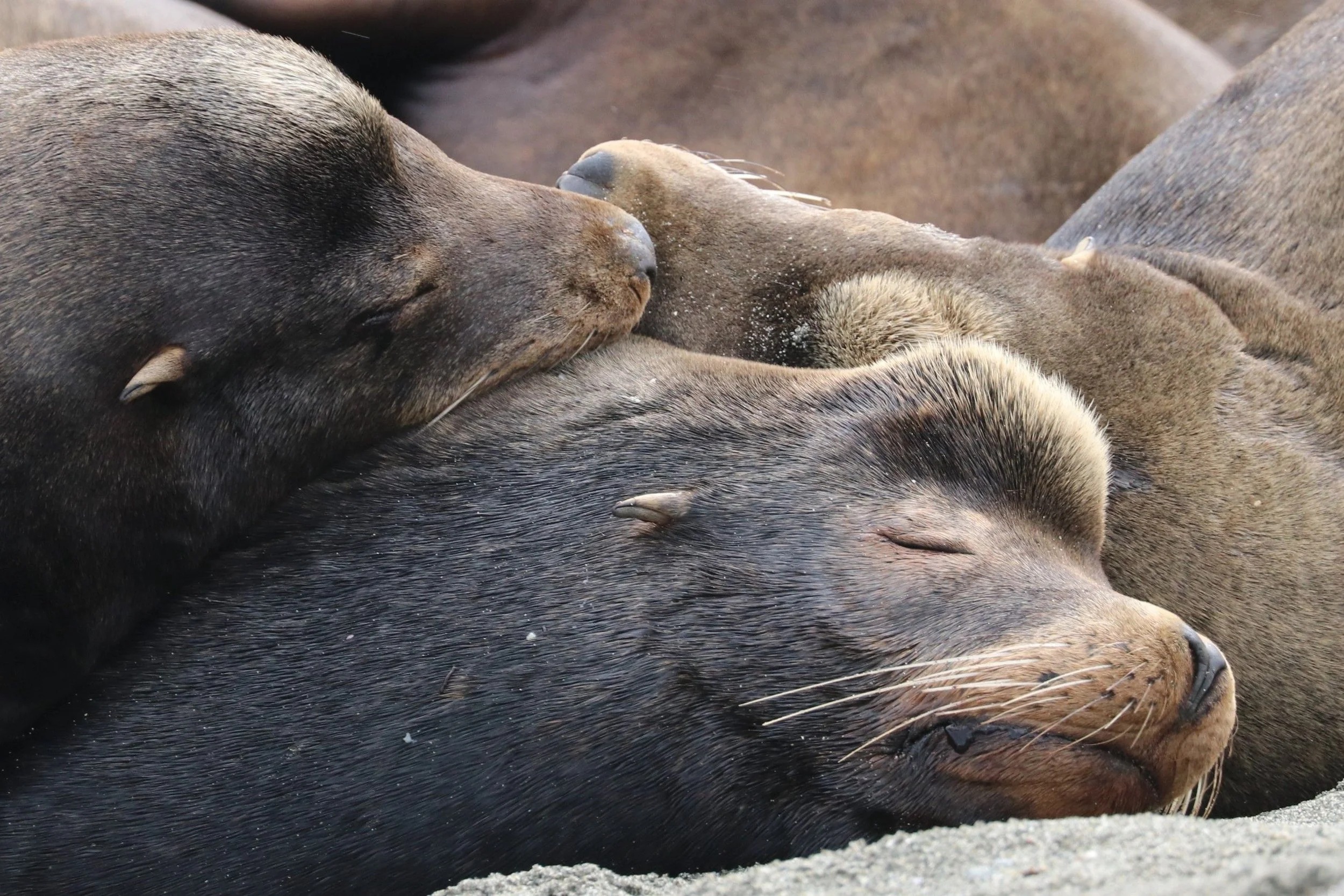
Photo Credit: Marnoc
Sentinel Sea Lions Help Sound the Alarm
Scientists have learned most about the impacts of domoic acid poisoning from its most frequent victims. California sea lions live in large colonies along the west coast, hunting prey in nutrient-rich nearshore waters and returning to rookeries in the Channel Islands to pup in the summer. By sharing their feeding and breeding grounds with increasingly common blooms of Pseudo-nitzschia species, sea lions are especially vulnerable domoic acid toxicosis. Sea lions face an onslaught of severe symptoms and high acute mortality; during a Southern California bloom in 2022, 262 sea lions were identified as symptomatic over a 37-day period. Of 70 animals rescued by wildlife care organizations, only 6 were returned to the wild.
The now-yearly bloom coincides with the sea lions’ pupping season, forcing mothers to unwittingly expose their unborn pups to the toxin through their amniotic fluid and milk. These pups face a far more severe prognosis than the acute, prey ingestion-affiliated symptom set. Exposure during the second and third trimesters of gestation damages synapses in the young sea lions’ brains before they are fully developed, sentencing them to a lifetime of seizures and metabolic disruption.
Many pups experience delayed neurological symptoms. Brain scans of young, infected in-utero sea lions may not resemble the atrophied structures of adult victims until puberty at around four or five years old. This sudden decay coincides with another developmental milestone in the brain known as synaptic pruning. Symptoms can manifest in disorientation, repeated erratic behaviors, attention deficits, seizures, and comas.
Climate change and warming waters are projected to push the overlap between gestation and domoic acid exposure well into the first trimester for some pups. Research on early embryonic development in the sea lion’s brains is still needed to better understand the consequences of these early interactions, with urgent necessity. Learning more about sea lion development and in-utero impacts could reveal how amnesic shellfish poisoning may impact human mothers and their children.
Their strong, prompt reactions to domoic acid present in their environments has established California sea lions as sentinel species for detecting the toxin’s presence and threat to humans, like federally protected canaries in a marine coal mine. Their strandings are carefully monitored to give local and federal authorities information about potential seafood contamination.
Combatting Domoic Acid in Research and Policy
Coastal researchers are racing to build a broader knowledge base on harmful algal blooms and domoic acid. A program at University of California Santa Cruz currently monitors a captive in-utero exposed sea lion to trace her development throughout the course of her life, using brain scans and cognitive tests to better understand the animal’s symptom timeline.
Further research is also necessary to determine how domoic acid’s impacts may vary between and within species. The team in Alaska suggests further inquiry into the specific concentrations of domoic acid each species can tolerate before symptom onset, along with how to more accurately measure these concentrations. Other avenues of study include characterizing the impact of domoic acid on tissues outside of the brain and understanding the risk factors that may influence an animal or human’s[KS1] prognosis.
Scientists are also studying the toxin-producing algae itself. Researchers at Scripps Institution of Oceanography recently sequenced Pseudo-nitzschia’s genome, revealing the series of different enzymes coded by the algae’s DNA to synthesize the toxin. Learning more about the chemical and genetic infrastructure of Pseudo-nitzschia could open the door for opportunities to cut its toxin-producing ability out of its repertoire. Continuous monitoring of ocean temperature, wind, and the variation in plankton species in a region also help predict whether a bloom of a harmful species like Pseudo-nitzschia australis will occur.[2]
Collaborative efforts between fisheries, stakeholders, researchers, and communities are learning new ways to minimize costs and maintain effective planning strategies in unpredictable waters. Researchers from the University of California Davis, NOAA, and the University of Washington compared public opinions of how fisheries reacted to a bloom period from 2014 to 2016 in California, Washington, and Oregon. Washington’s survey results report trust between fisheries and stakeholders, attributed to the state’s devoted monitoring technologies and rapid public notifications. Lackluster responses in California and Oregon suggest a need for closer relationship between authorities and media outlets. These relationships between scientific authorities, fisheries, and consumers will be crucial in navigating bloom-provoked closures and shortages in the most cost and health-conscious manner. They offer opportunities for innovation; collaborative efforts between public and private sectors have already developed ways to detect blooms earlier and preserve uncontaminated meat on catches made during blooms.
Back on the Beach
As the tide rises, sand loosens its grip on the Sunset carcass. It may be buried in the sand or wash back out to sea, providing a nutrient boost to ecological communities wherever it finally lands. As the gulls return to roost along the whale’s stomach, a young sea lion hauls out nearby and sends the seabirds back into the sky. It appears thin and tired, squinting at the birds as it lays in the lapping water. It has a changing world to acclimate to, and so do we.
Reporting stranded marine mammals is one of the most helpful ways for citizens to assist research on domoic acid poisoning and ocean health. If you see a stranded marine mammal, consider informing the Marine Mammal Stranding Network by contacting one of the following regional hotlines:
For LIVE mammals in the San Francisco Bay:
The Marine Mammal Center, 415-289-SEAL
For DECEASED mammals in San Francisco Bay:
California Academy of Sciences, 415-379-5381
For LIVE mammals in Santa Cruz:
The Marine Mammal Center, Santa Cruz, 831-633-6298
For DECEASED mammals in Santa Cruz:
Long Marine Laboratory, University of California Santa Cruz, (831) 212-1272
Resources
Cook, P. F., Reichmuth, C., Moriarty, M. E., Deming, A. C., Hoard, V. F., Field, C., & Gulland, F. (2026). Sea lions as a natural model for charting the developmental course following in utero exposure to domoic acid. In Harmful Algae (Vol. 153). Elsevier B.V. https://doi.org/10.1016/j.hal.2026.103066
Domoic Acid and California Sea Lions. Channel Islands Marine and Wildlife Institute. (n.d.).https://www.cimwi.org/domoic-acid
Ekstrom, J. A., Moore, S. K., & Klinger, T. (2020). Examining harmful algal blooms through a disaster risk management lens: A case study of the 2015 U.S. West Coast domoic acid event. Harmful Algae, 94. https://doi.org/10.1016/j.hal.2020.101740
Farrugia, T. (2026, March 4). VAWS – Underwater Storms: How harmful algal blooms form and their impacts on Alaska’s oceans. Retrieved from https://uaf-accap.org/event/vaws-underwater-storms-habs/
Fimbres Wood, L. (2018, September 27). Domoic acid decoded: Scientists discover genetic basis for how harmful algal blooms become toxic | Scripps Institution of Oceanography. Domoic Acid Decoded: Scientists Discover Genetic Basis For How Harmful Algal Blooms Become Toxic. https://scripps.ucsd.edu/news/domoic-acid-decoded-scientists-discover-genetic-basis-how-harmful-algal-blooms-become-toxic
Jiang, R., Fan, Z., Li, X., Yang, J., Sun, M., Jiao, B., & Wang, L. (2026). Molecular and Cellular Mechanisms Underlying Domoic Acid-Induced Neurotoxicity and Therapeutic Drugs: A Comprehensive Review. International journal of molecular sciences, 27(2), 867. https://doi.org/10.3390/ijms27020867
Krasner, A. E., Martinez, M. E., Field, C. L., & Fire, S. E. (2025). The Toxic Effects of Environmental Domoic Acid Exposure on Humans and Marine Wildlife. Marine drugs, 23(2), 61. https://doi.org/10.3390/md23020061
Lefebvre, K. A., Quakenbush, L., Frame, E., Huntington, K. B., Sheffield, G., Stimmelmayr, R., Bryan, A., Kendrick, P., Ziel, H., Goldstein, T., Snyder, J. A., Gelatt, T., Gulland, F., Dickerson, B., & Gill, V. (2016). Prevalence of algal toxins in Alaskan marine mammals foraging in a changing arctic and subarctic environment. Harmful Algae, 55, 13–24. https://doi.org/10.1016/j.hal.2016.01.007
National Oceanic and Atmospheric Administration. (2025, March 25). Early bloom of toxic algae off Southern California sickens hundreds of sea lions and Dolphins | NOAA fisheries. NOAA Fisheries News. https://www.fisheries.noaa.gov/feature-story/early-bloom-toxic-algae-southern-california-sickens-hundreds-sea-lions-and-dolphins
Peña, M. (2026, June 12). Toxic algal blooms linked to deaths of recently stranded humpback whales - news. UCSC News. https://news.ucsc.edu/2026/06/dead-whales-domoic-acid/
About the Author: Keiki Sunderland
After earning bachelors’ degrees in Ecology and Creative Writing from UC San Diego in 2025, Keiki Sunderland returned to her home in Los Gatos inspired to pursue a career in conservation science. She leaves boot tracks along the coastline as an ecological restoration volunteer at Año Nuevo State Park and helps collect data on stranded marine mammals at Moss Landing Marine Laboratories when she can. She loves exploring wildlife conservation and evolutionary biology in her nonfiction, fiction, and short comics. Keiki is grateful to share her passion for marine conservation with the San Francisco Bay community and hopes to hone her research skills in graduate school someday.
Keiki Sunderland began her career in conservation science as a research intern at UC San Diego, where she studied ecology and creative writing before graduating in 2025. She loves volunteering at Año Nuevo State Park, collecting data on stranded marine mammals in Monterey county, and making comics about evolutionary biology.