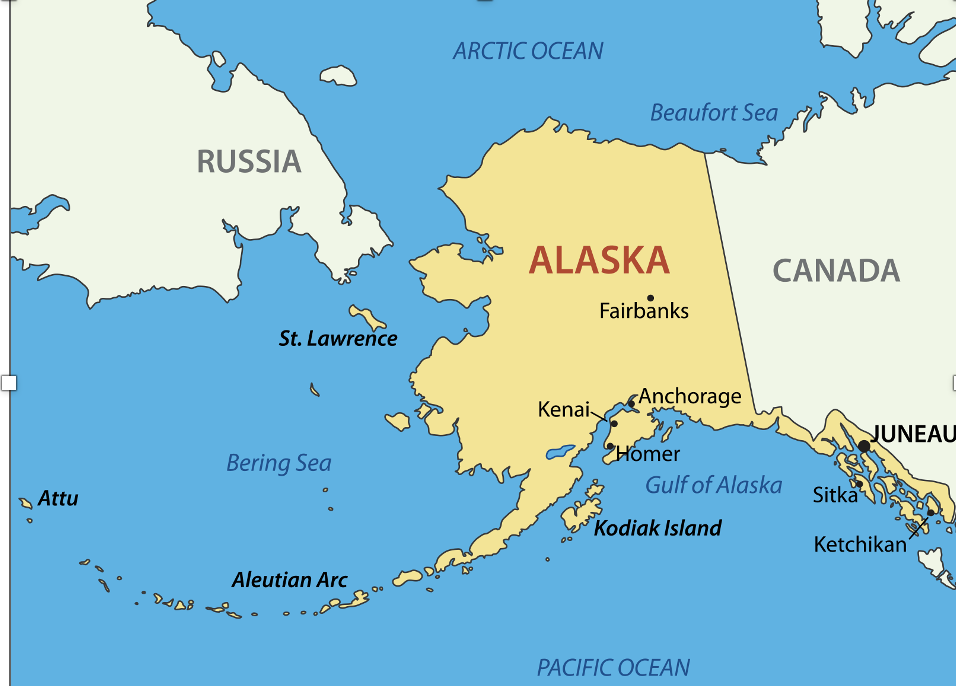
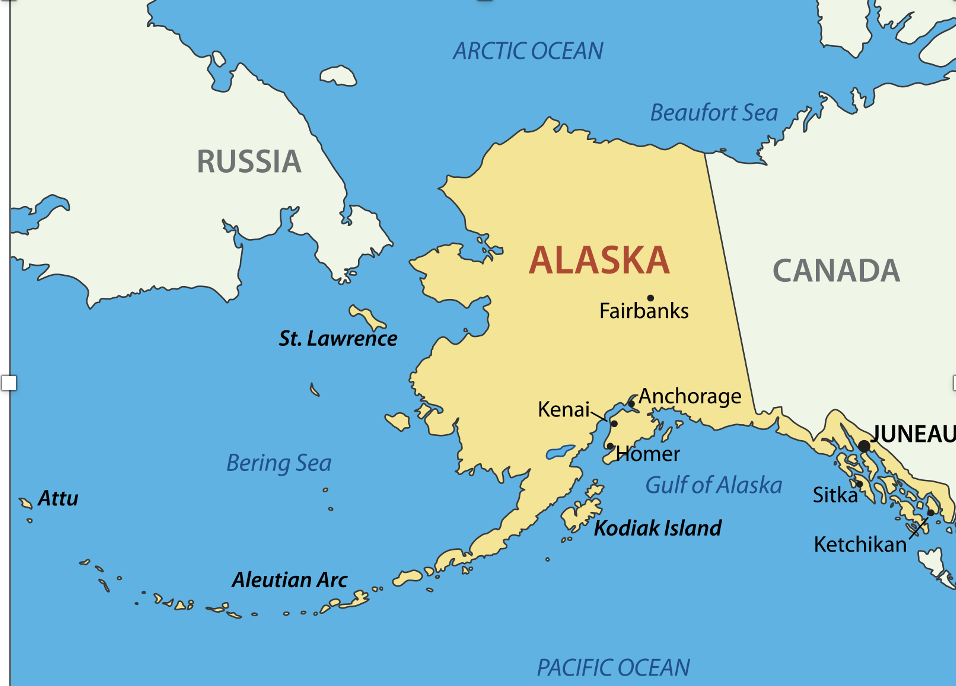
For centuries, Alaska Native Tribes have lived in close relationship with whales, guided by tradition, spiritual practice, and generations of ocean knowledge. These stewardship practices have sustained both communities and cetacean populations, yet culturally-permitted whaling remains widely misunderstood. ACS SF Bay welcomes Roberta Glenn (Inupiaq), Community Liaison at the International Arctic Research Center, and Henry Huntington, Director of Arctic Science at Ocean Conservancy, for an evening highlighting Alaska Native histories, cultural relationships with cetaceans, and Bowhead whale hunting practices. The session brings together cultural knowledge and empirical science in a moderated panel discussion.
This free event is open to the public. REGISTRATION IS REQUIRED. A suggested donation of $10 per participant is encouraged and greatly appreciated. Donations help cover webinar costs and support our education and cetacean research grant programs. To donate, please visit our website https://www.acs-sfbay.org/donate. We are grateful for your support!
About Our Panelists Roberta Glenn and Henry Huntington:
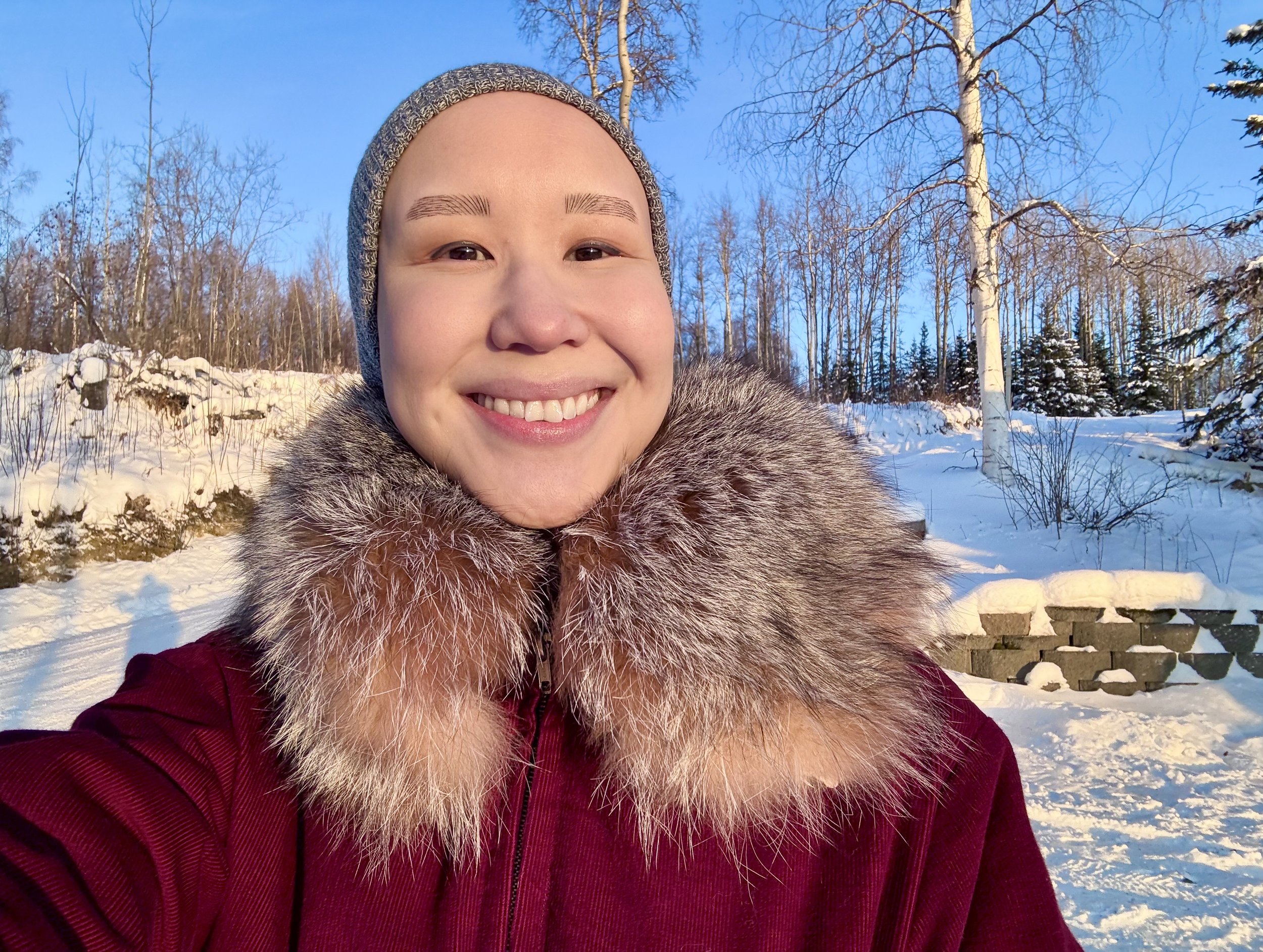
Roberta Tuurraq Glenn is Iñupiaq and was born and raised in Utqiaġvik. She is now based in Fairbanks working as Community Liaison with the Alaska Arctic Observatory and Knowledge Hub (AAOKH or 'A-OK') at the International Arctic Research Center. Roberta completed her undergraduate and master's degrees at the University of Alaska Fairbanks with a focus on geography and documenting Indigenous Knowledge and community-based observations in support of addressing local priorities in Alaska coastal communities. Through her position at AAOKH, Roberta has been helping to facilitate knowledge exchange gatherings between academic researchers and Indigenous Knowledge holders from coastal communities to build shared understandings of our changing Arctic environment and help address local priorities, including place-based education and outreach with Arctic communities and providing relevant insights and observations with decision-makers in Alaska. A key focus of her work has been to elevate local priorities and observations from Iñupiaq observers and community partners who share their time, knowledge and expertise to support understanding and responding to climate change impacts.
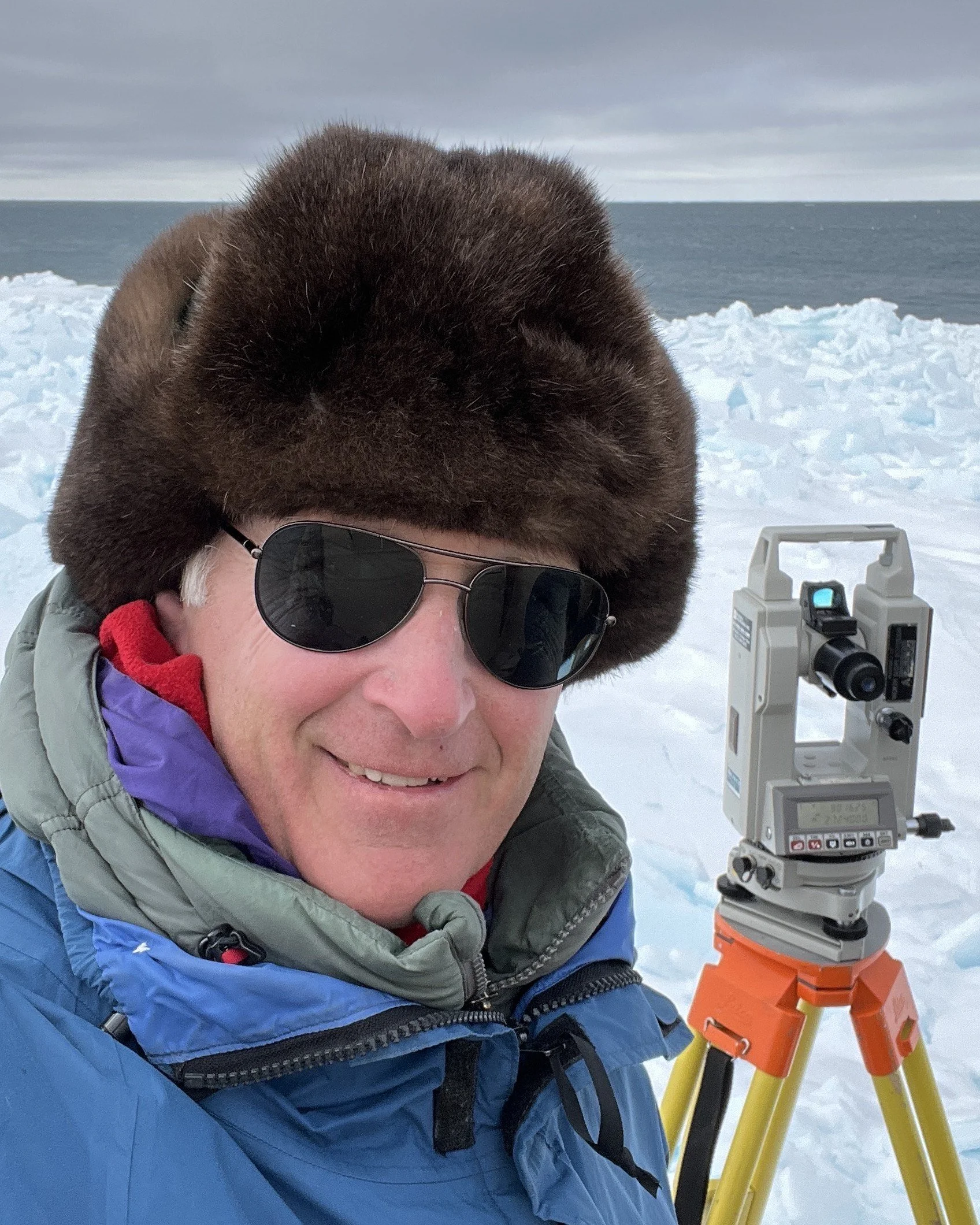
Henry P. Huntington earned his bachelor's degree in English at Princeton University and his master's and doctorate in Polar Studies at the University of Cambridge. He lives with his wife in Eagle River, Alaska, where he works Arctic Science Director for Ocean Conservancy and as an independent researcher focusing on human-environment interactions in the Arctic. He has made long trips in the Arctic by dog team, open boat, and snowmobile. Huntington's research activities include reviewing the regulation of subsistence hunting in northern Alaska, documenting Indigenous knowledge of Arctic marine mammals, examining Iñupiat Eskimo and Inuit knowledge and use of sea ice, and assessing the impacts of climate change on Arctic communities and Arctic marine mammals. Huntington has been involved in a number of international research programs, such as the Arctic Monitoring and Assessment Program, the Program for the Conservation of Arctic Flora and Fauna, the Arctic Climate Impact Assessment, the Arctic Marine Shipping Assessment, and the Arctic Biodiversity Assessment. He was co-chair of the National Academy of Sciences committee on emerging research questions in the Arctic and a member of the Council of Canadian Academies panel on the state of knowledge of food security in the North. Huntington has written many academic and popular articles, as well as two books.