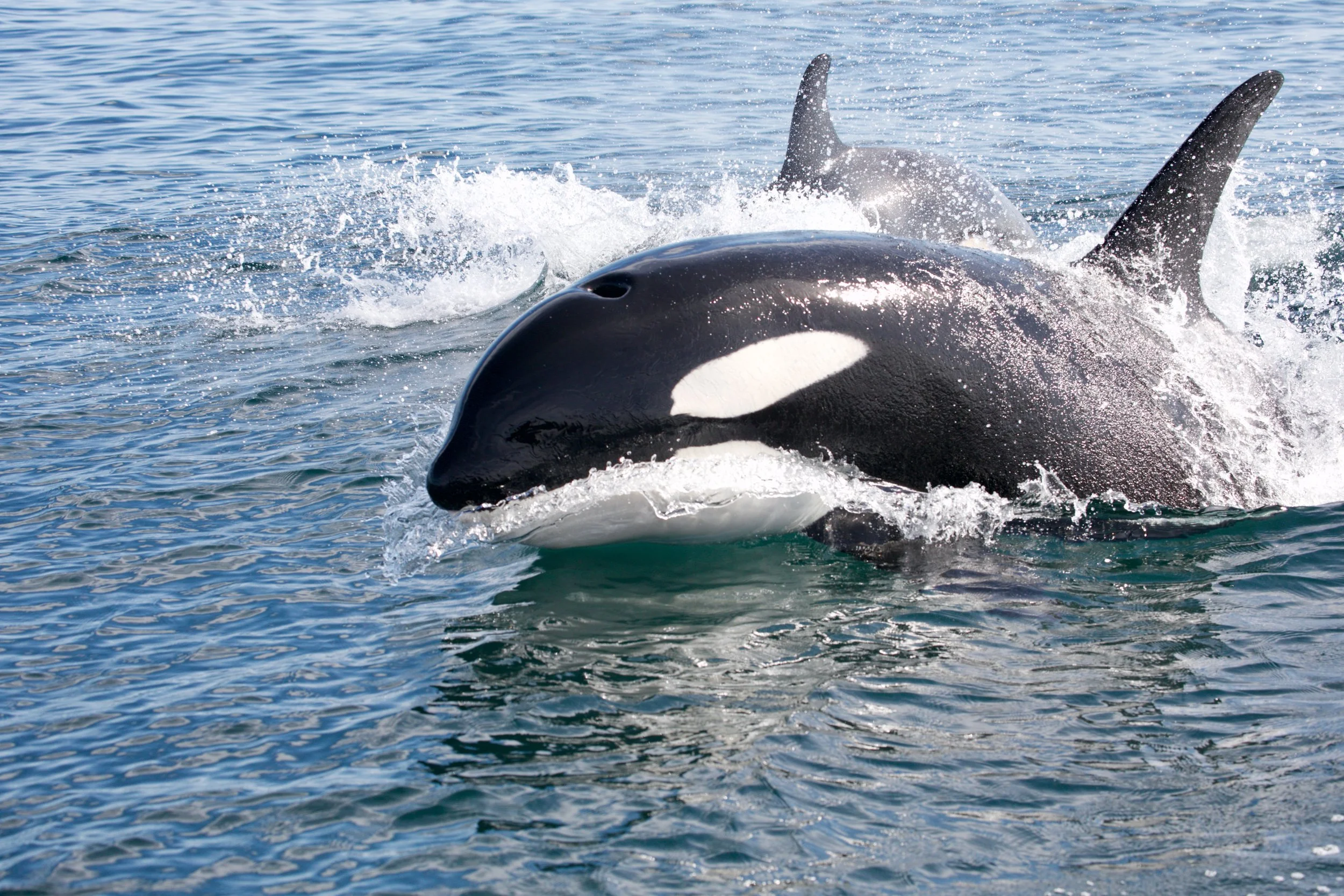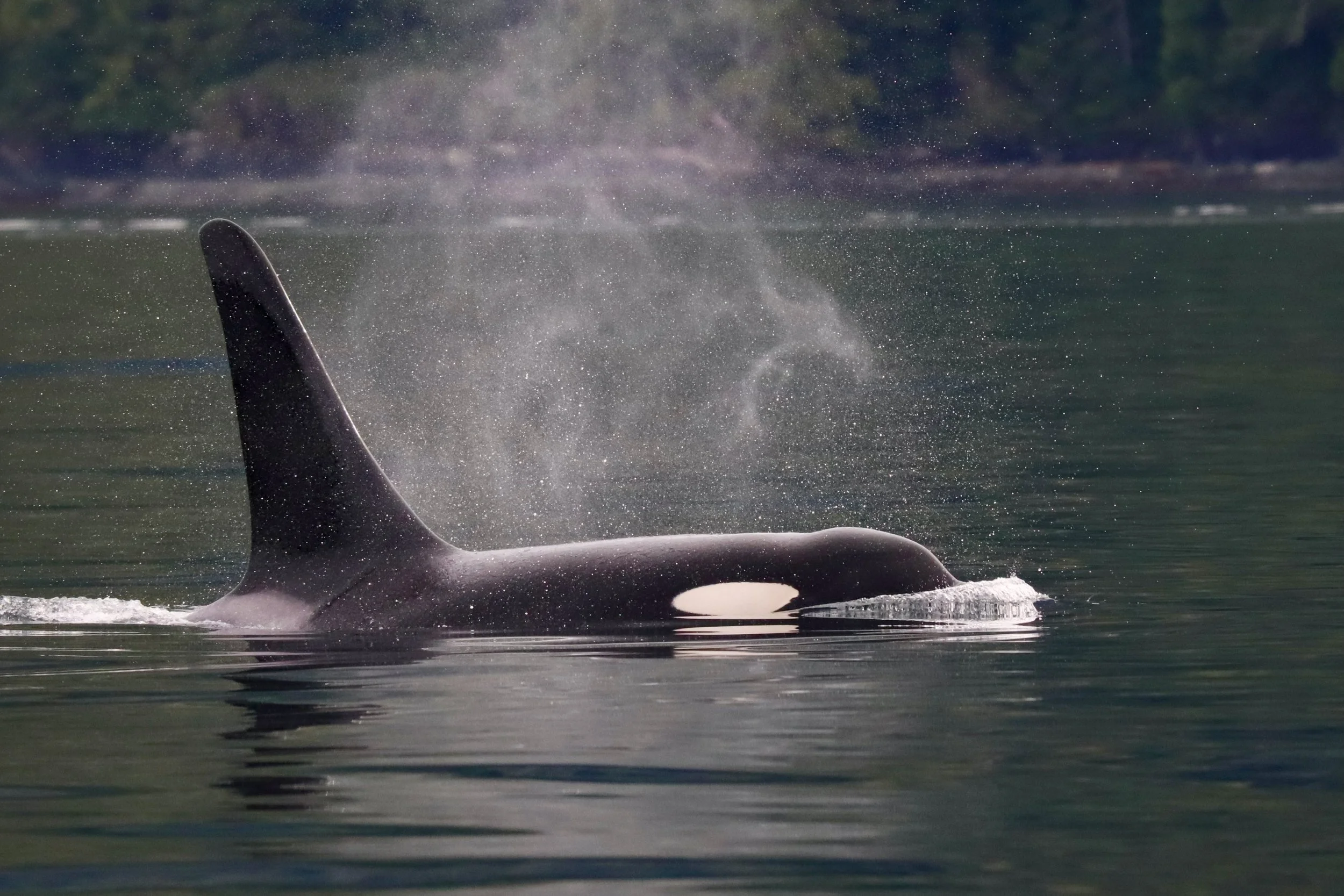
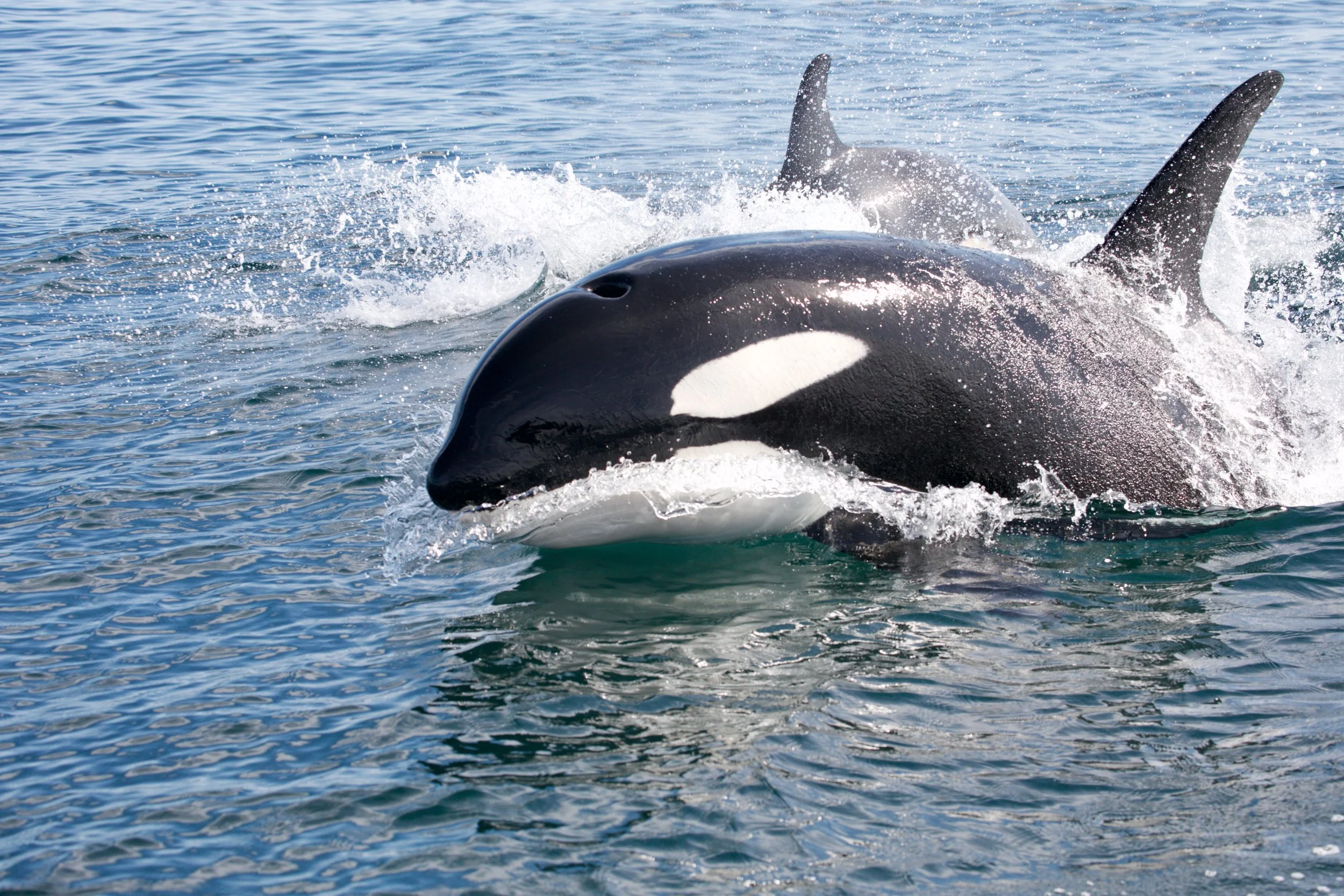
What can a tiny sample of killer whale skin or blubber reveal? Surprisingly, a lot! From their diet to the pollutants they carry and the effects on their health, a single biopsy opens a window into the wider ocean ecosystem. In this talk, Dr. Anaïs Remili will cover how lipid and chemical analyses help scientists track what killer whales eat, how contaminants move up the food chain, and why some populations do better than others. Please join us to explore the detective work behind marine mammal ecotoxicology and discover how these insights can guide real-world actions to protect whales and their habitats.
This free event is open to the public. REGISTRATION IS REQUIRED. A suggested donation of $10 per participant is encouraged and greatly appreciated. Donations help cover webinar costs and support our education and cetacean research grant programs. To donate, please visit our website https://www.acs-sfbay.org/donate. We are grateful for your support!
Bio:
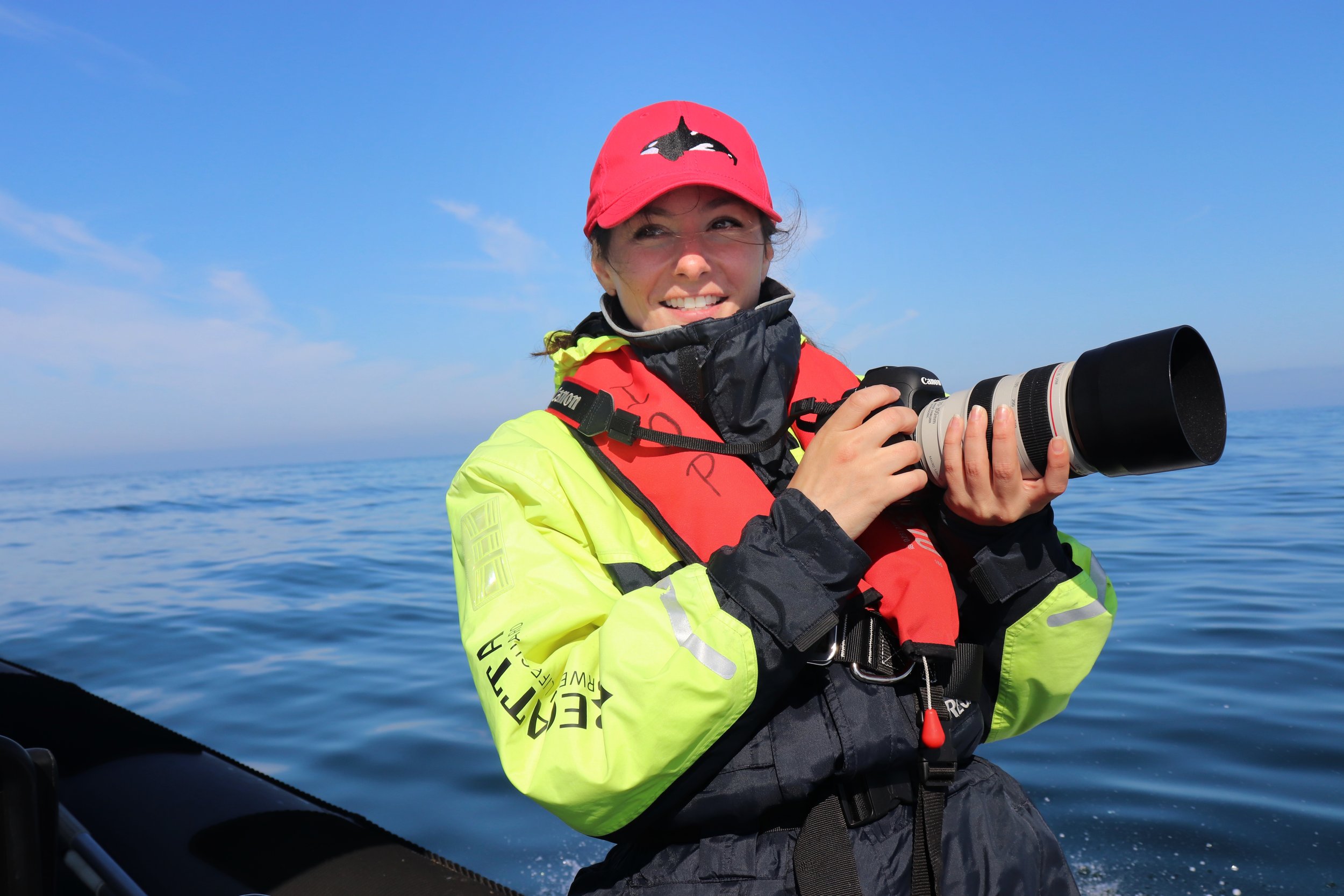
Dr. Anaïs Remili is a postdoctoral researcher at Simon Fraser University in Vancouver Canada studying how industrial contaminants affect the health of killer whales and other apex marine predators. Her research combines marine mammal feeding ecology, ecotoxicology, and omics to understand how diet, contaminants, and environmental stressors interact. Anaïs is the director of Cetacean Ecotoxicology Research and Education Program, aka CETOX.